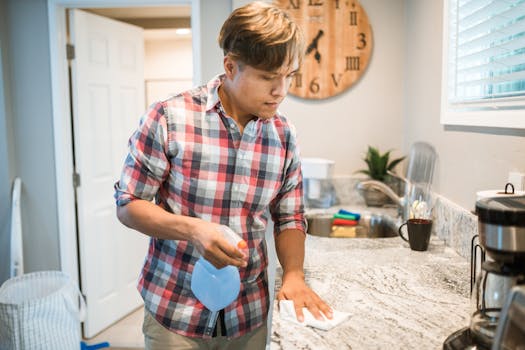
Beyond ‘Welcome’: Crafting Spaces That Hug You Back

Ever walked into a home and felt an instant sense of peace, like you could finally exhale? That’s the magic of an inviting space. It’s more than just a clean house; it’s about creating an atmosphere that resonates with warmth, comfort, and a genuine sense of belonging. But how do you achieve that elusive quality? It’s not about grand gestures or expensive renovations. Often, the most impactful changes are subtle, thoughtful touches that speak volumes. Let’s dive into practical tips for making your home feel inviting, focusing on what truly matters.
The Power of First Impressions: Setting the Stage
The journey to an inviting home begins before anyone even steps through the door. The entryway is your home’s handshake, so make it a firm and friendly one.
#### Declutter Your Threshold
This is non-negotiable. A cluttered entryway screams chaos. Remove unnecessary shoes, mail, and miscellaneous items. Invest in smart storage solutions like a sleek console table with drawers or a stylish bench with hidden storage. A clear path makes a powerful psychological statement: “You are welcome here.”
#### Light the Way In
Adequate lighting is crucial. A dimly lit entrance can feel unwelcoming. Consider a statement pendant light or strategically placed wall sconces. If your entryway is small, a well-placed mirror can bounce light around and make the space feel larger and more open.
#### A Scent to Remember
Our sense of smell is incredibly powerful. A subtle, pleasant aroma can transform an entryway. Think about natural scents like a diffused essential oil blend (lavender or citrus are often good choices), a freshly cut eucalyptus branch, or even the lingering scent of baked goods. Avoid anything overpowering; the goal is a gentle hint of coziness.
Cultivating Comfort: Where Texture Meets Tactility
Inviting spaces prioritize comfort. This isn’t just about soft furnishings; it’s about creating sensory experiences that make people want to linger.
#### Embrace Layered Textiles
Think soft throws draped artfully over sofas, plush cushions in varied textures (velvet, linen, knit), and comfortable rugs underfoot. These elements invite touch and encourage relaxation. Don’t be afraid to mix patterns and colors, but keep a unifying thread, perhaps a shared color palette, to maintain cohesion.
#### The Art of Ambiance Lighting
Beyond the entryway, the right lighting can completely change a room’s mood. Harsh overhead lights are rarely inviting. Instead, opt for multiple light sources at different levels: floor lamps, table lamps, and accent lighting. Dimmers are your best friend here, allowing you to adjust the intensity throughout the day and evening. Warm, low lighting creates an intimate and cozy atmosphere.
#### Strategize Your Seating
Arranging furniture to encourage conversation is key. Avoid pushing all your furniture against the walls. Instead, create conversation zones by arranging seating pieces to face each other. Ensure there are surfaces nearby for guests to place drinks or snacks. Comfort isn’t just about softness; it’s also about thoughtful placement.
Injecting Personality: Your Home’s Unique Story
An inviting home feels lived-in and personal. It tells a story about the people who inhabit it, making it more relatable and engaging for visitors.
#### Showcase Your Treasures, Not Your Clutter
Displaying items that hold meaning for you – cherished photographs, art you love, travel souvenirs – adds character. However, the line between curated display and clutter can be thin. Be selective. Group items in vignettes rather than scattering them. A well-placed shelf with meaningful objects is far more impactful than a room overflowing with knick-knacks.
#### The Magic of Greenery
Plants breathe life into a space. They add color, texture, and a sense of calm. Even a few well-chosen plants can make a significant difference. Consider low-maintenance options if you don’t have a green thumb. The presence of nature, even indoors, has a profoundly welcoming effect.
#### Art That Speaks to You
Don’t feel pressured to fill your walls with “designer” art. Hang pieces that you genuinely love. It could be a print from an emerging artist, your child’s artwork, or a framed map of a place you’ve visited. Art that reflects your personality and interests is far more inviting than generic decor.
Sensory Engagement: Beyond Sight
Making your home feel inviting involves appealing to all the senses, not just sight.
#### The Sound of Welcome
Consider the background noise in your home. Is it the hum of appliances, or is there a gentle soundtrack playing? Soft, instrumental music can create a relaxed ambiance. Conversely, silence can sometimes feel awkward. Find a balance that feels natural and soothing.
#### The Comfort of Temperature
No one feels truly invited if they’re shivering or sweating. Ensure your home is at a comfortable temperature. This is a fundamental aspect of hospitality that’s often overlooked.
Final Thoughts: The Art of Genuine Hospitality
Ultimately, making your home feel inviting is about creating an extension of yourself – a space where others can feel relaxed, comfortable, and at ease. It’s about thoughtful details that communicate care and consideration. These tips for making your home feel inviting are not about perfection, but about creating a sanctuary that reflects your unique spirit.
So, consider this: What’s one small, actionable change you can make this week to enhance the welcoming atmosphere of your home?